Top 5 Electric Utility Vehicles For Resort Management in Southeast Asia
2026/08/18


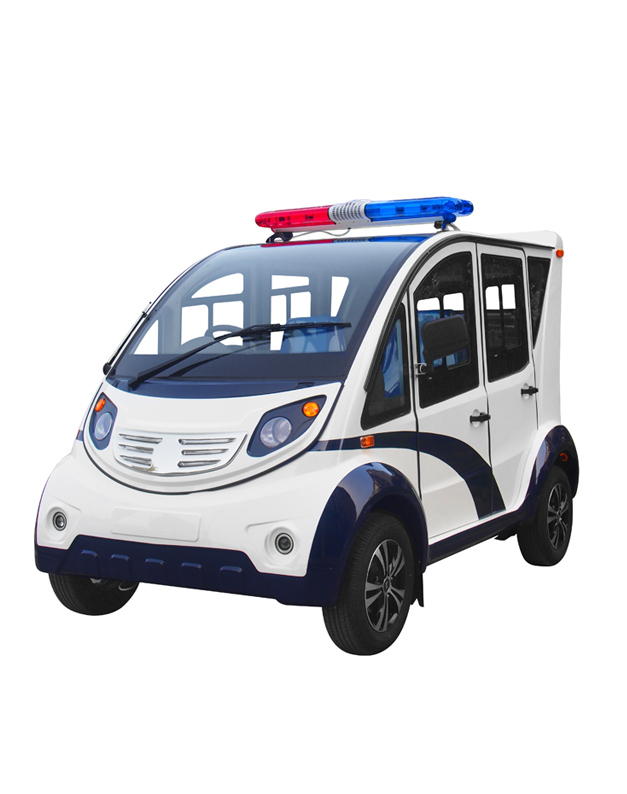
[TL;DR]Southeast Asian resorts face unique tropical challenges: year-round high heat, heavy monsoon rains, steep hills, narrow villa lanes and eco-tourism carbon limits. Five core electric utility vehicle types cover all resort operations: compact electric golf carts, multi-passenger open sightseeing shuttles, electric resort tuk-tuk tricycles, heavy-duty electric cargo utility trikes, and L4 autonomous driverless shuttles. Each model is engineered with IP67 waterproofing, heat-resistant LFP batteries and anti-corrosion frames for Indonesia, Thailand, Malaysia, Philippines and Vietnam resorts. Choosing mismatched vehicles leads to high breakdown rates, slow guest transit and inflated daily operational costs.


Why Generic EV Selections Fail Southeast Asian Resort Sourcing


news-1440-1080


Global resort procurement managers often send simple requests: "Electric utility carts, custom branding, tropical upgrade." But resort mobility vehicles are split into specialized categories built for distinct guest transport, maintenance logistics and VIP shuttle roles. A beach resort in Bali and a mountain eco-resort in Chiang Mai both need electric vehicles, yet require completely different motor power, load capacity, body sealing and rainproof configurations.


news-1440-1080


 This buyer's guide breaks down the top 5 resort EV models, their tropical engineering upgrades, ideal use cases and a step-by-step selection checklist, helping hotel and resort operators lock in the right vehicle type before requesting formal quotations and avoid costly fleet replacement, downtime and guest experience complaints.


Top 5 Electric Utility Vehicle Categories & Resort-Specific Design Advantages

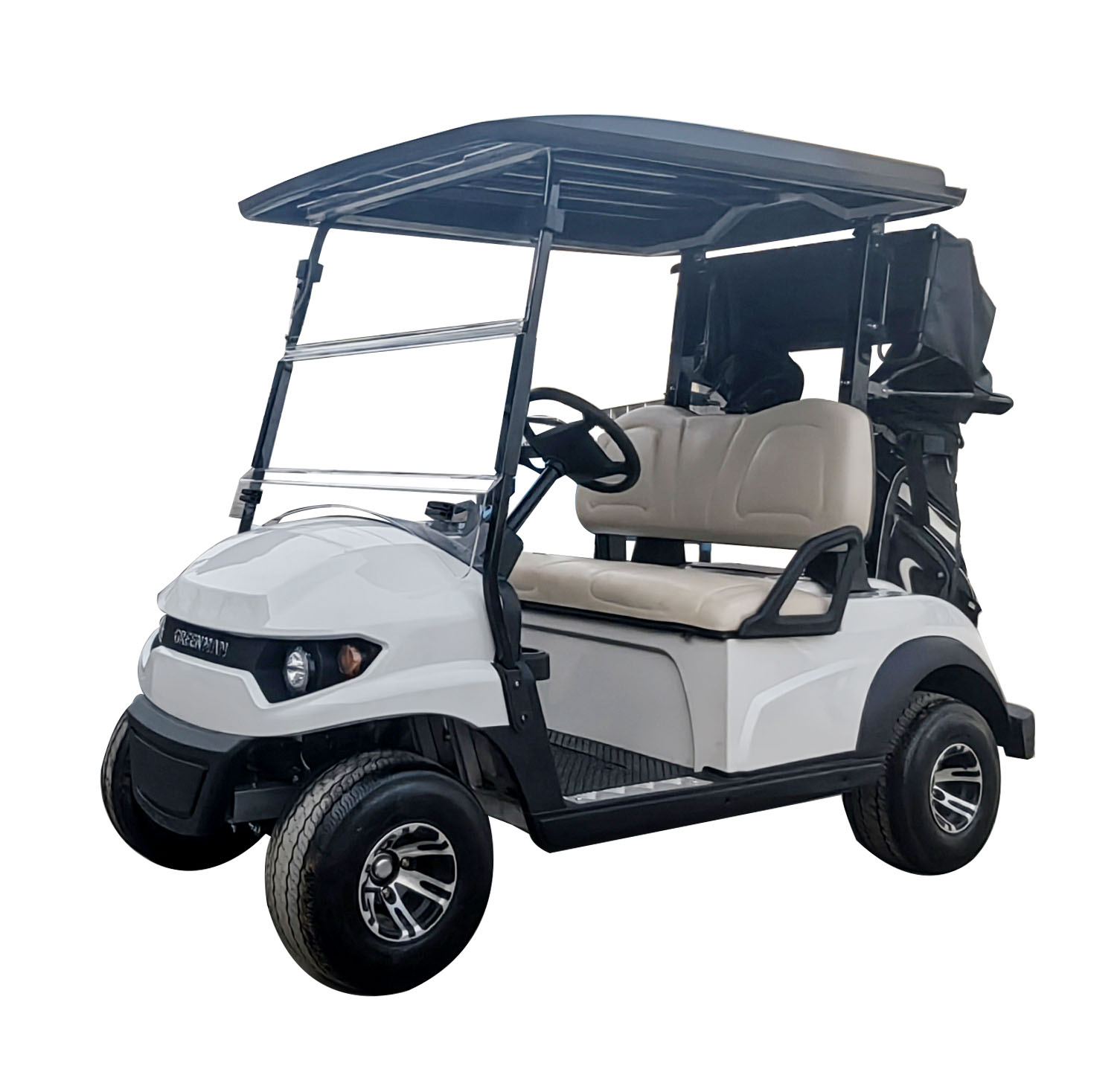
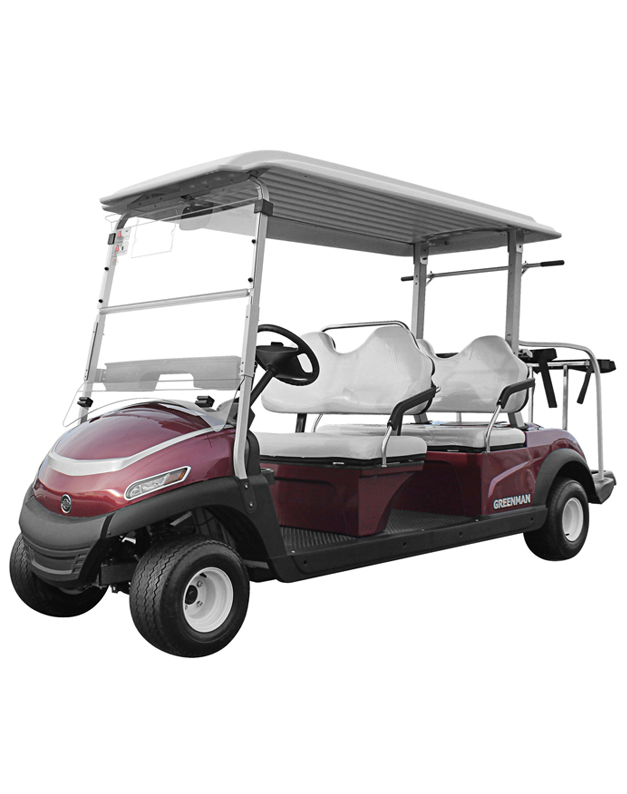
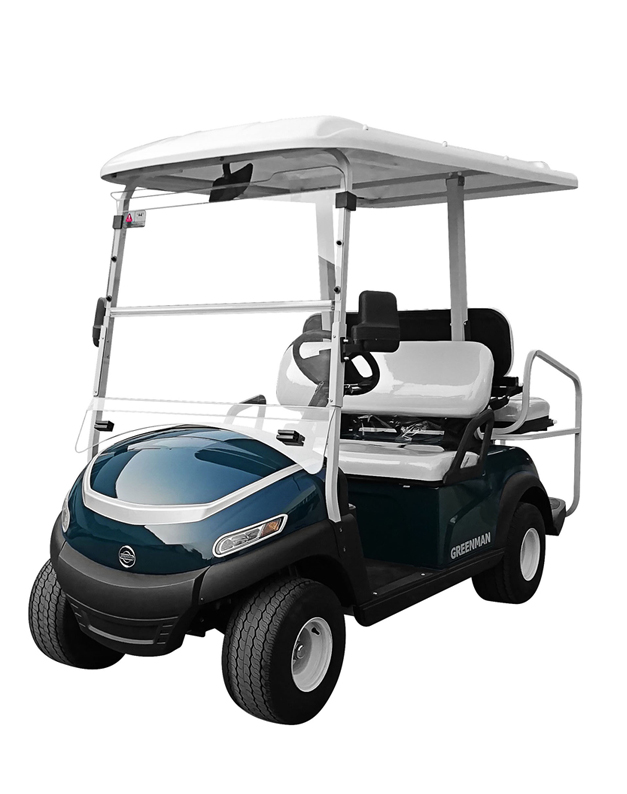
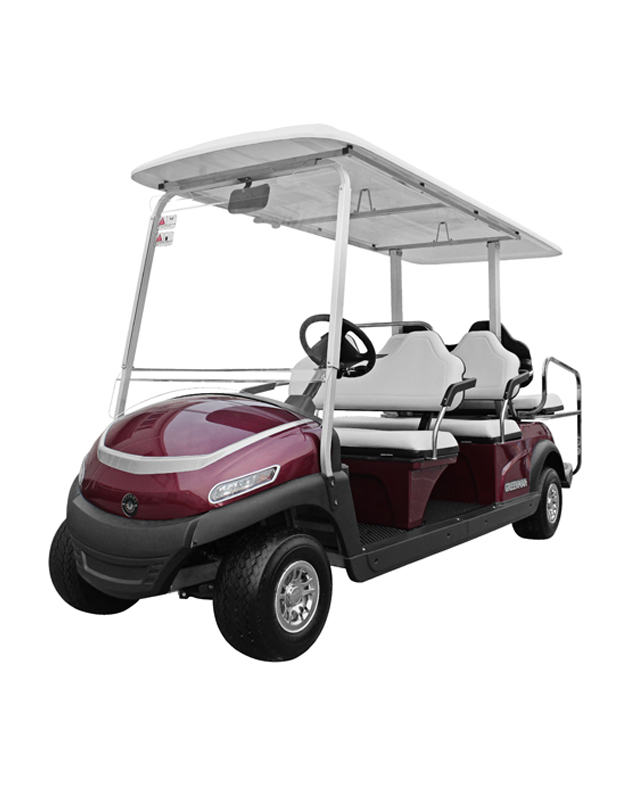
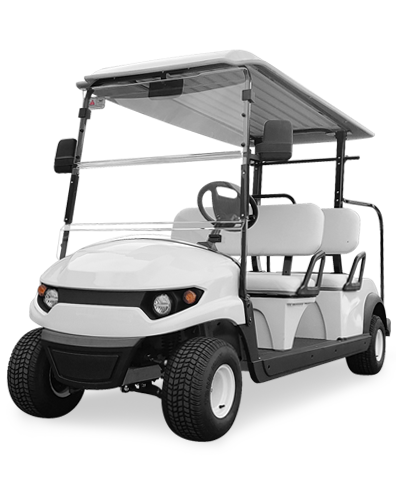
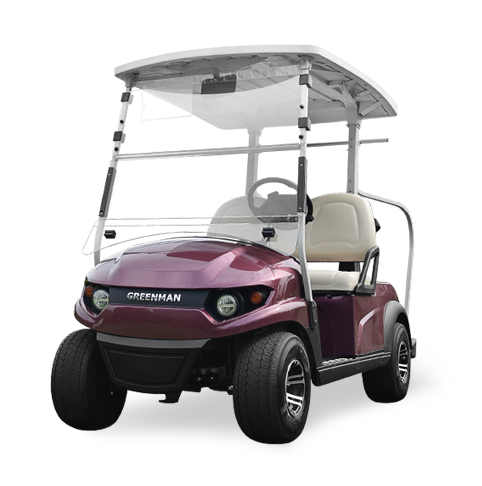
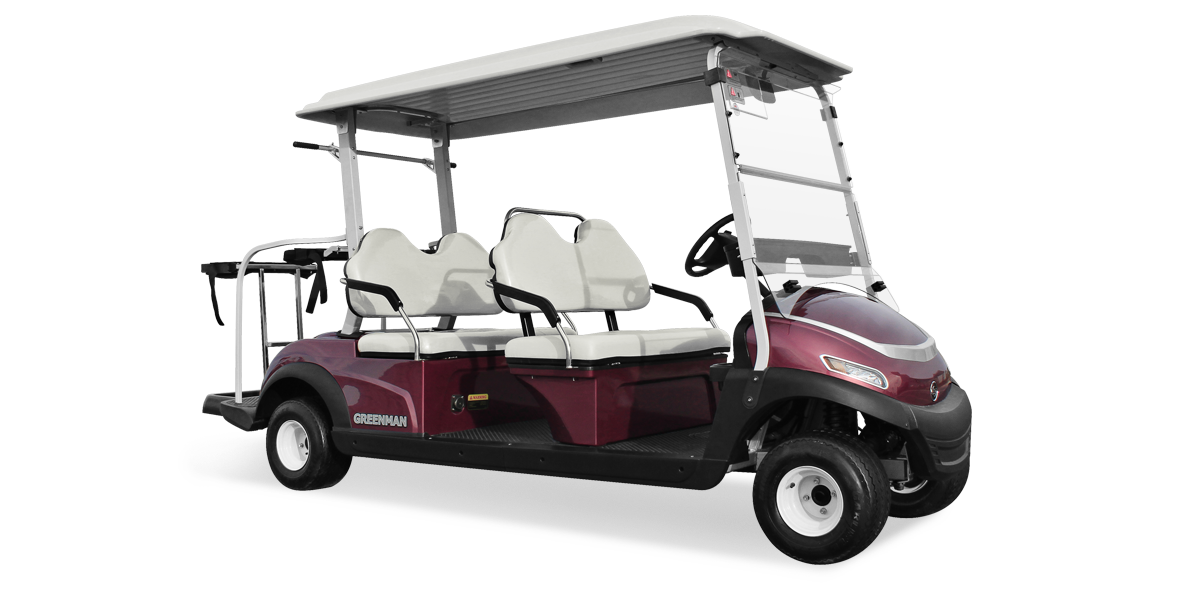
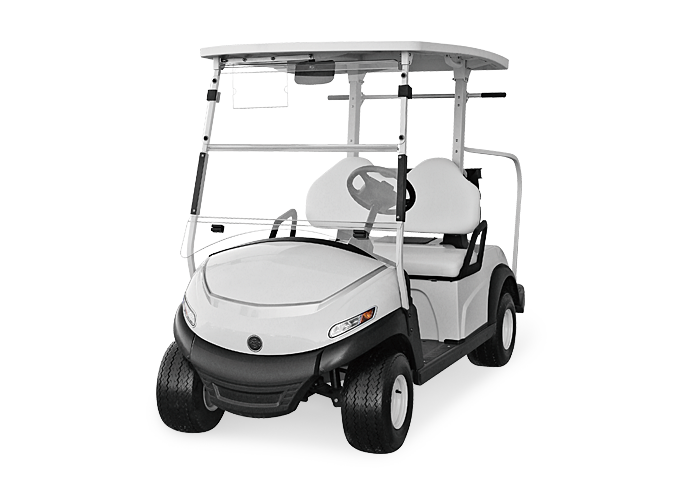
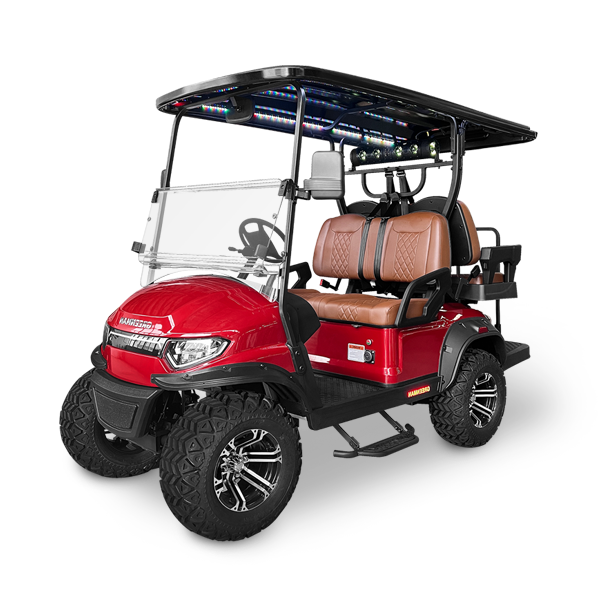
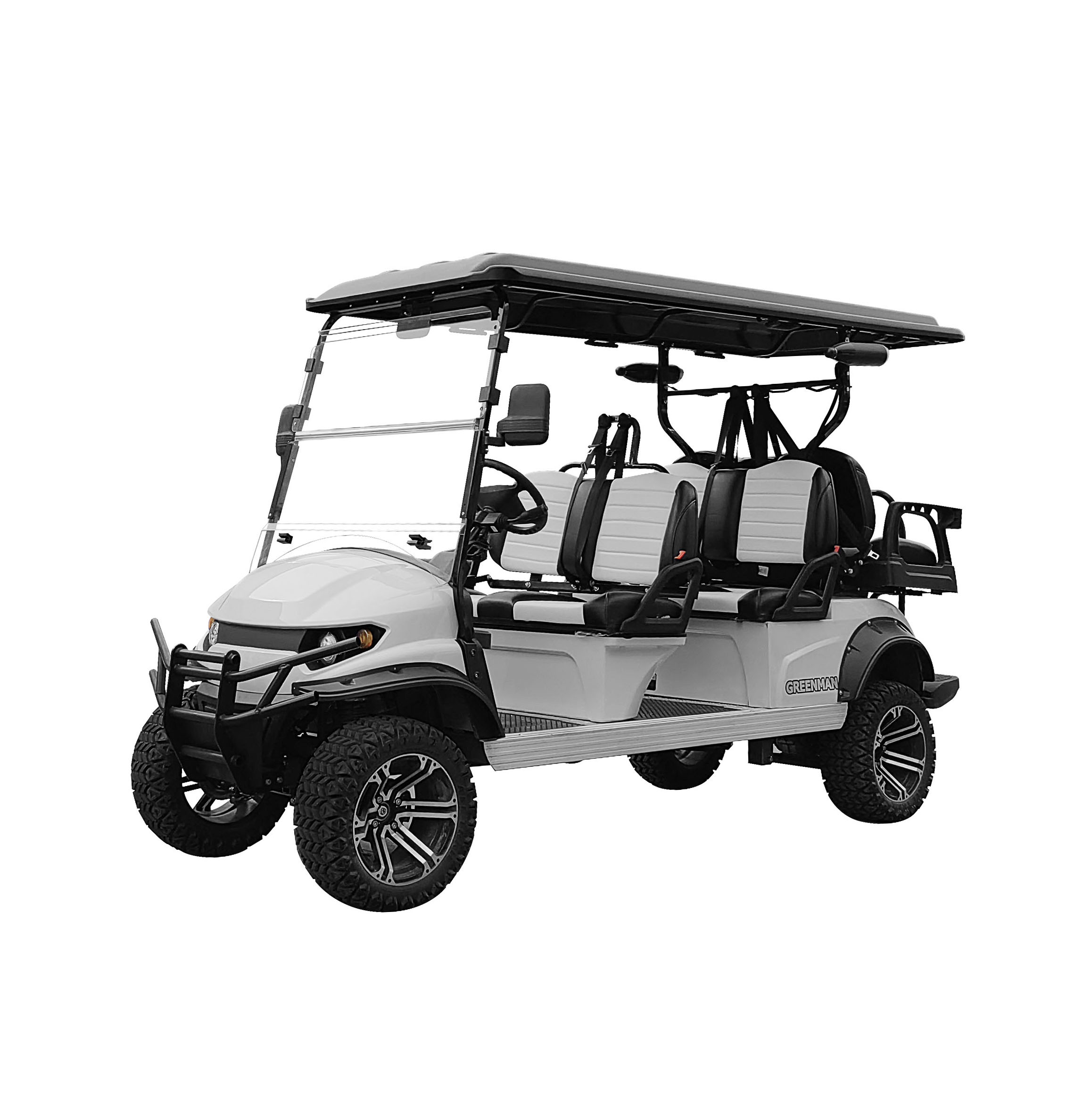
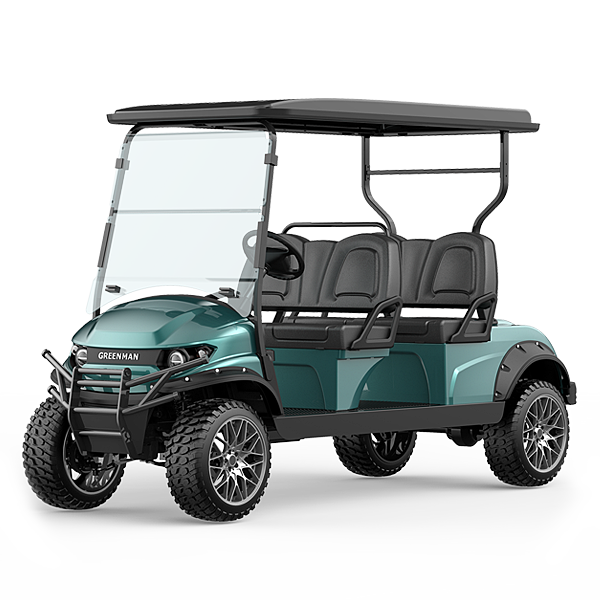
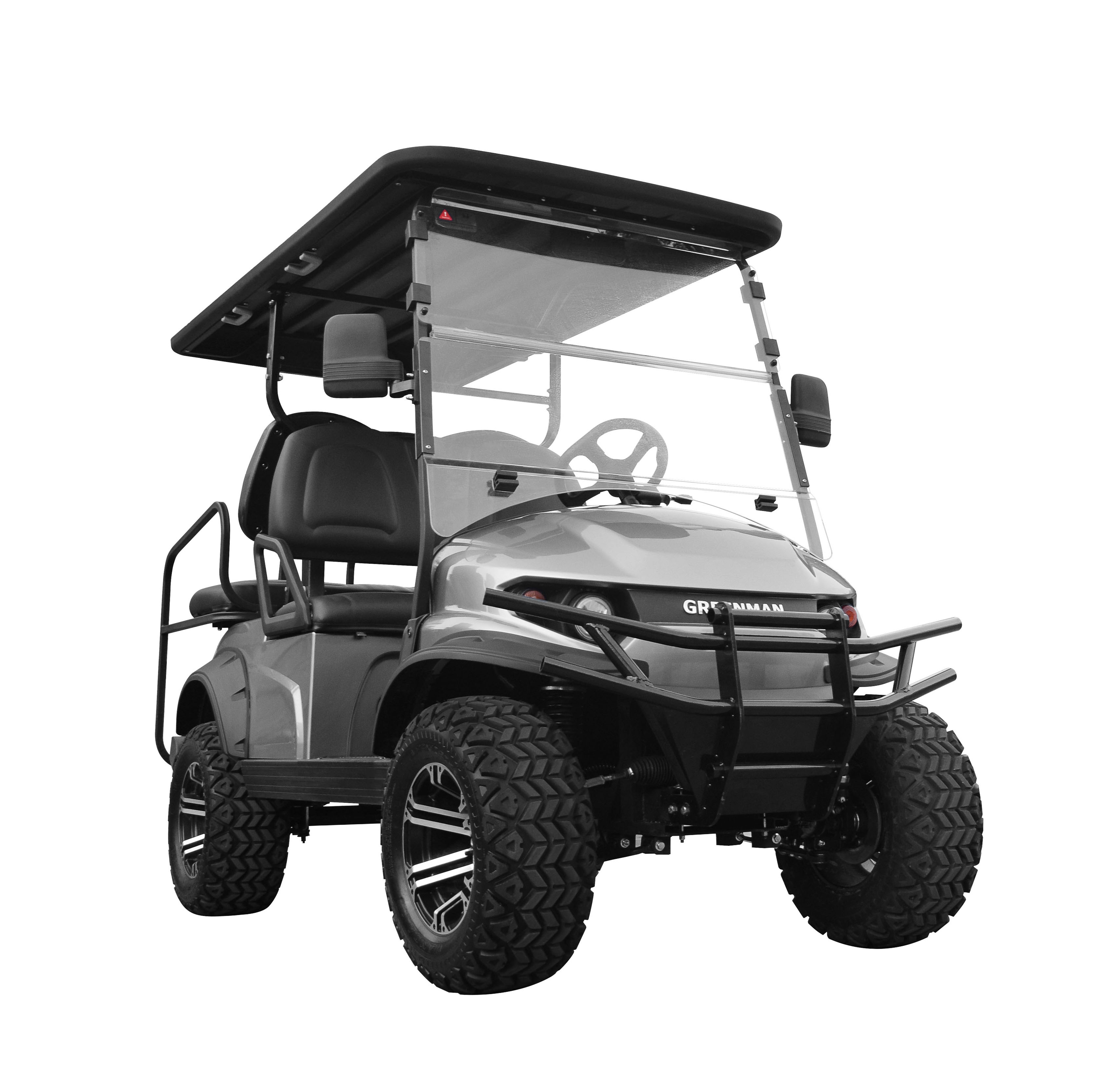
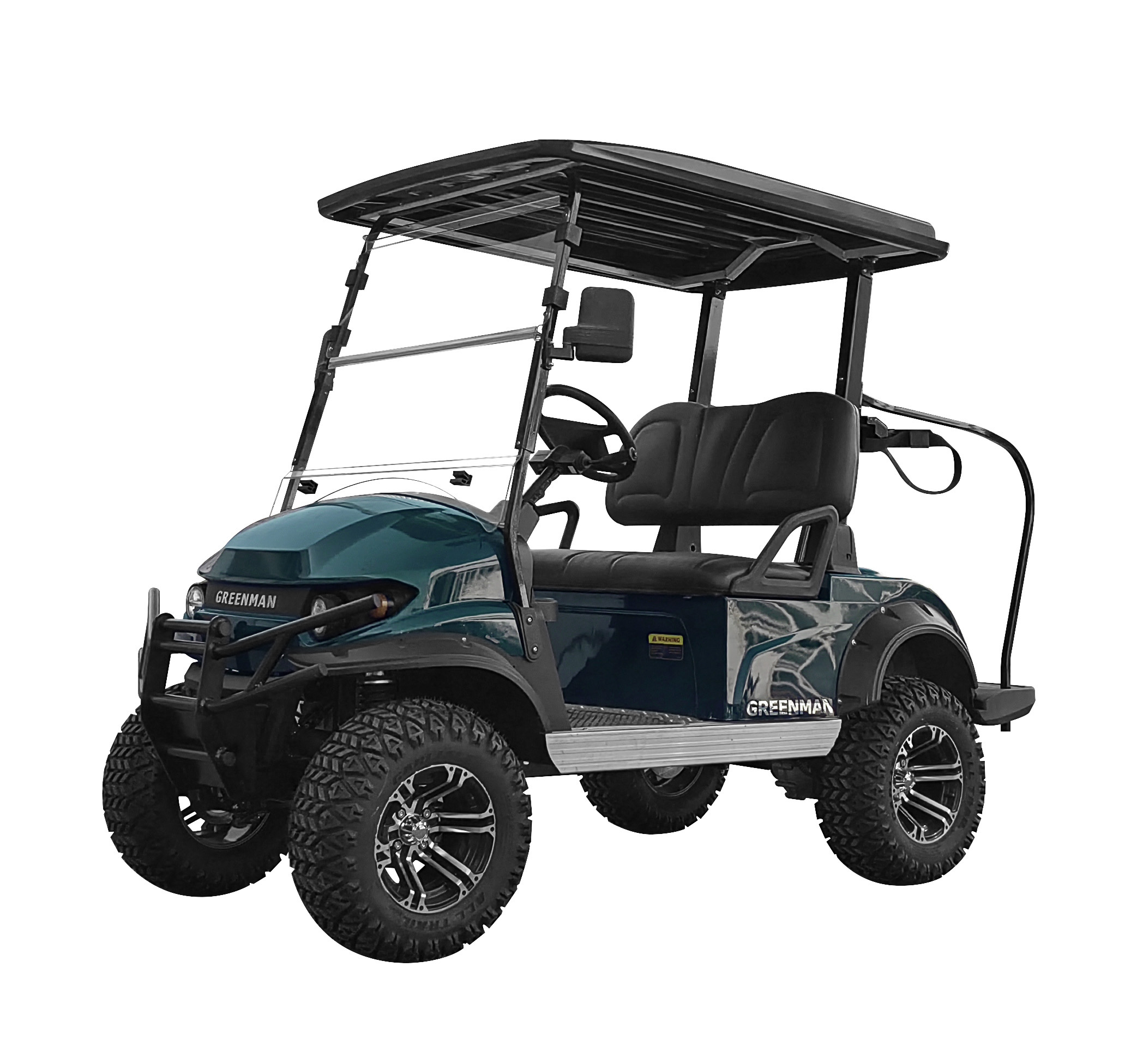
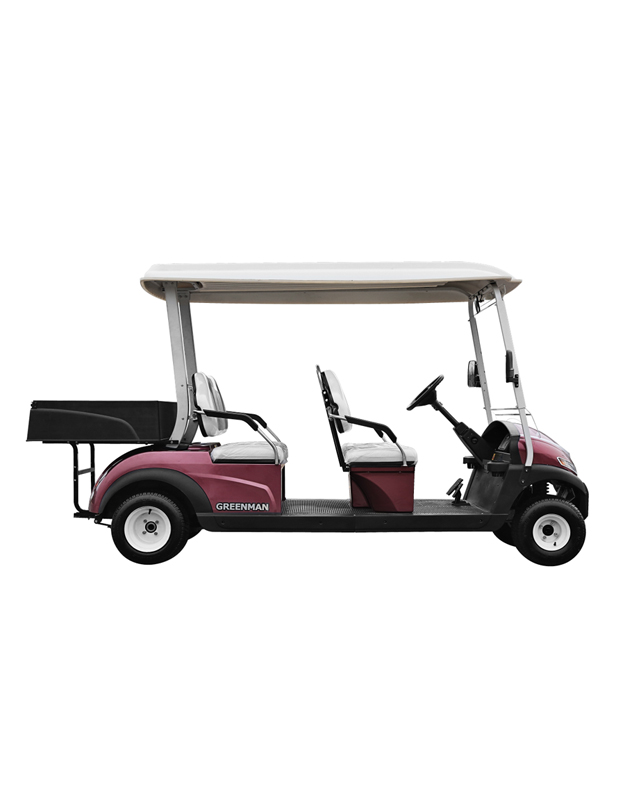
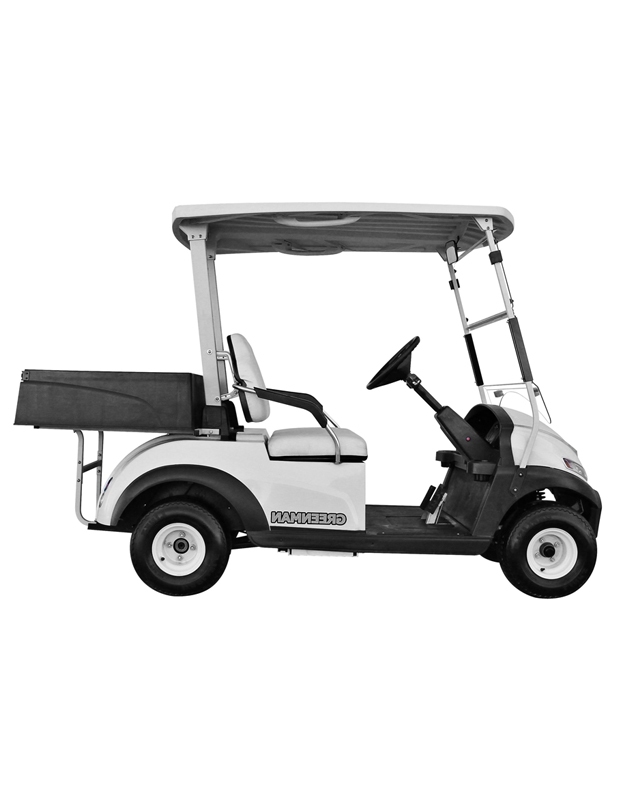
1.Compact 2–6 Seater Electric Golf Cart (Guest Villa & Beach Shuttle)

Built for narrow villa walkways, beach paths and golf course circulation. Core tropical upgrades: fully sealed IP67 motor, liquid-cooled lithium iron phosphate battery resistant to 50°C ambient heat, rust-proof aluminum chassis and detachable waterproof rain canopy. Design priorities: low noise (<45dB), zero emissions, easy custom color matching resort brand aesthetics and compact turning radius for tight villa alleys.

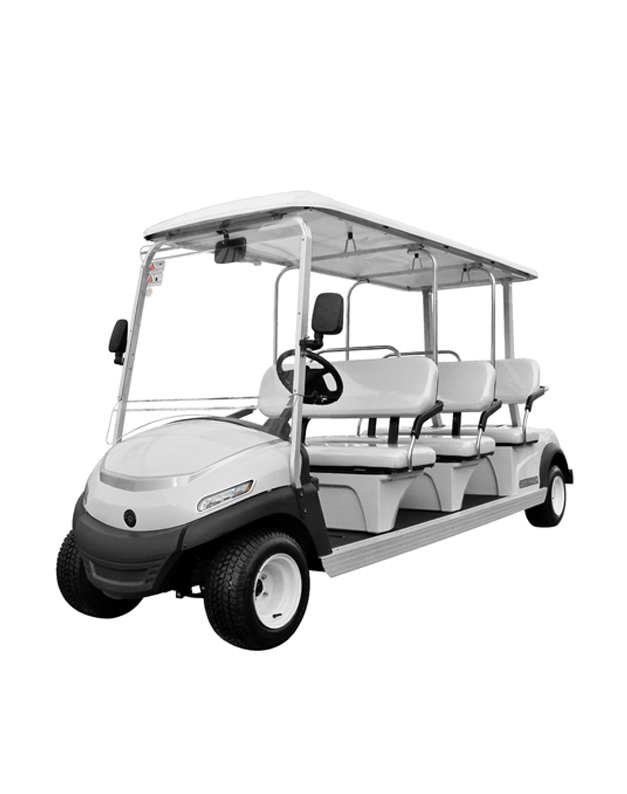
2.8–14 Seater Open-Air Electric Sightseeing Shuttle (Scenic Large Group Tours)

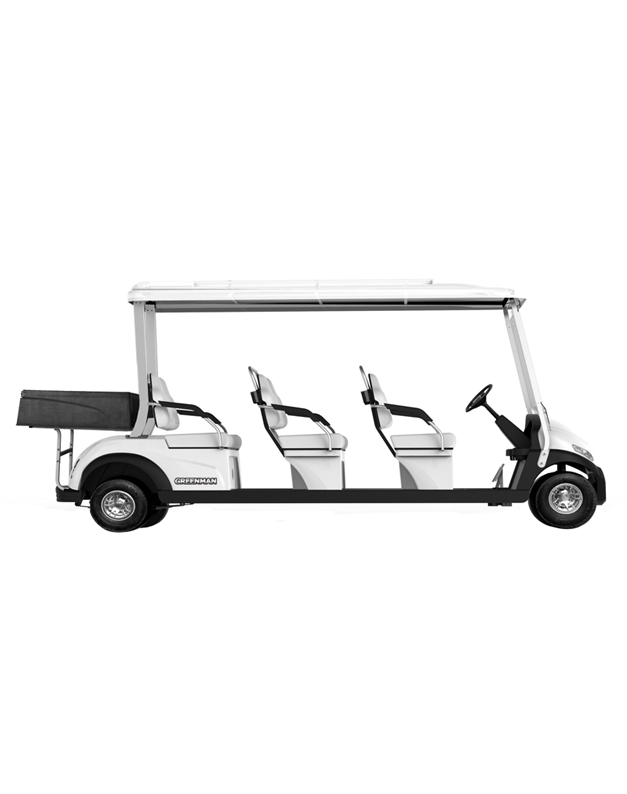
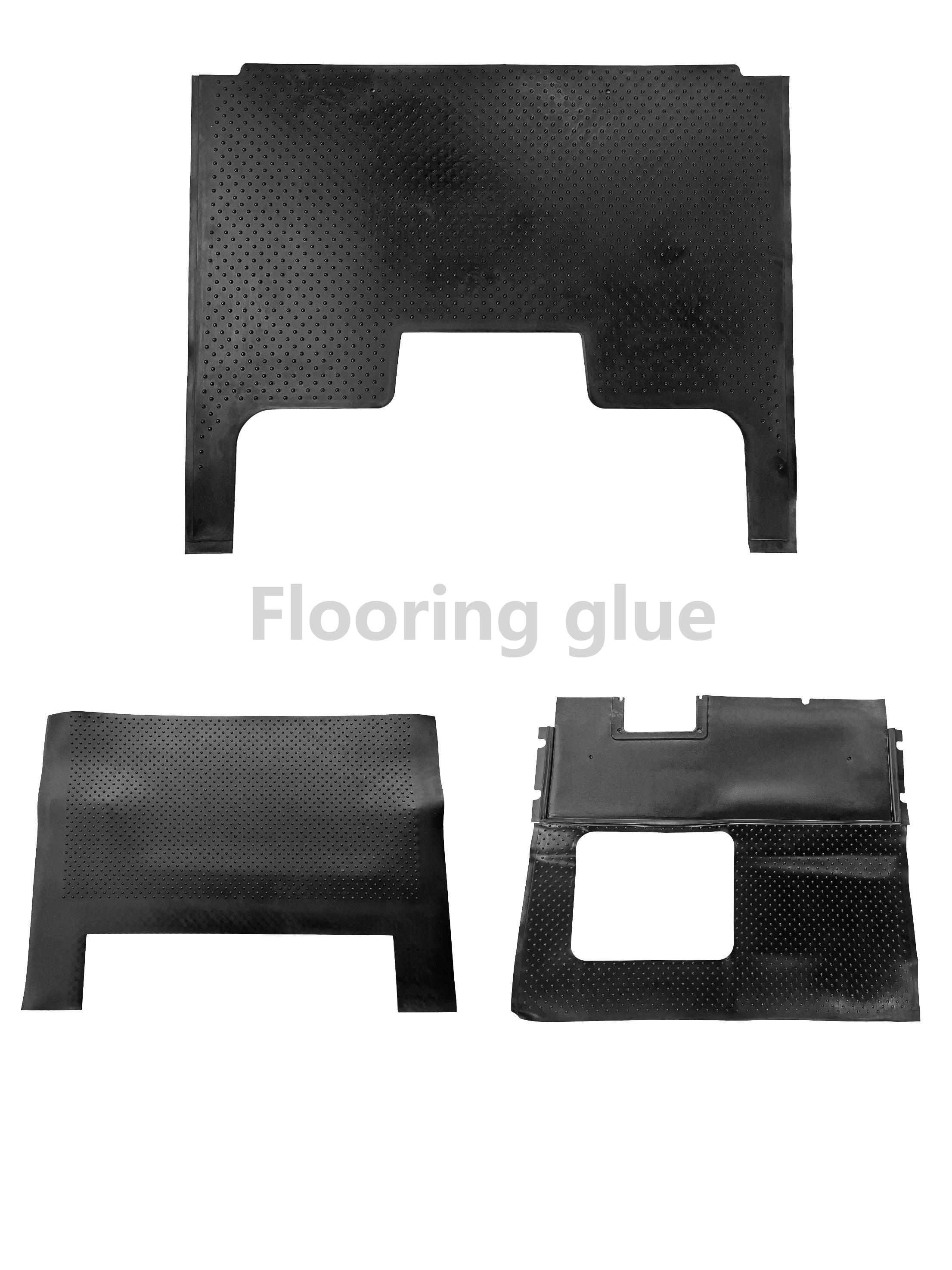
Specially optimized for hilltop eco-resorts and botanical park resorts across Southeast Asia. Equipped with high-torque climbing motors supporting 20% gradient slopes, multi-language audio sightseeing systems, low-floor wheelchair access ramps and reinforced anti-slip flooring for rainy seasons. All wiring and control panels are tropicalized with anti-mold and corrosion-resistant coatings.

3.5-Seater Electric Resort Tuk-Tuk Tricycle (Narrow Alley & Old Town Resorts)

A signature mobility solution for heritage, island and boutique resorts with narrow cobblestone lanes (body width ≤1.2m). 72V high-power BLDC motor delivers stable climbing performance, full rain roof with side transparent windshields, dual hydraulic shock absorption for bumpy village roads, and mixed passenger-cargo convertible rear space. IP67 waterproof electronics withstand daily monsoon showers in Indonesia and Thailand.

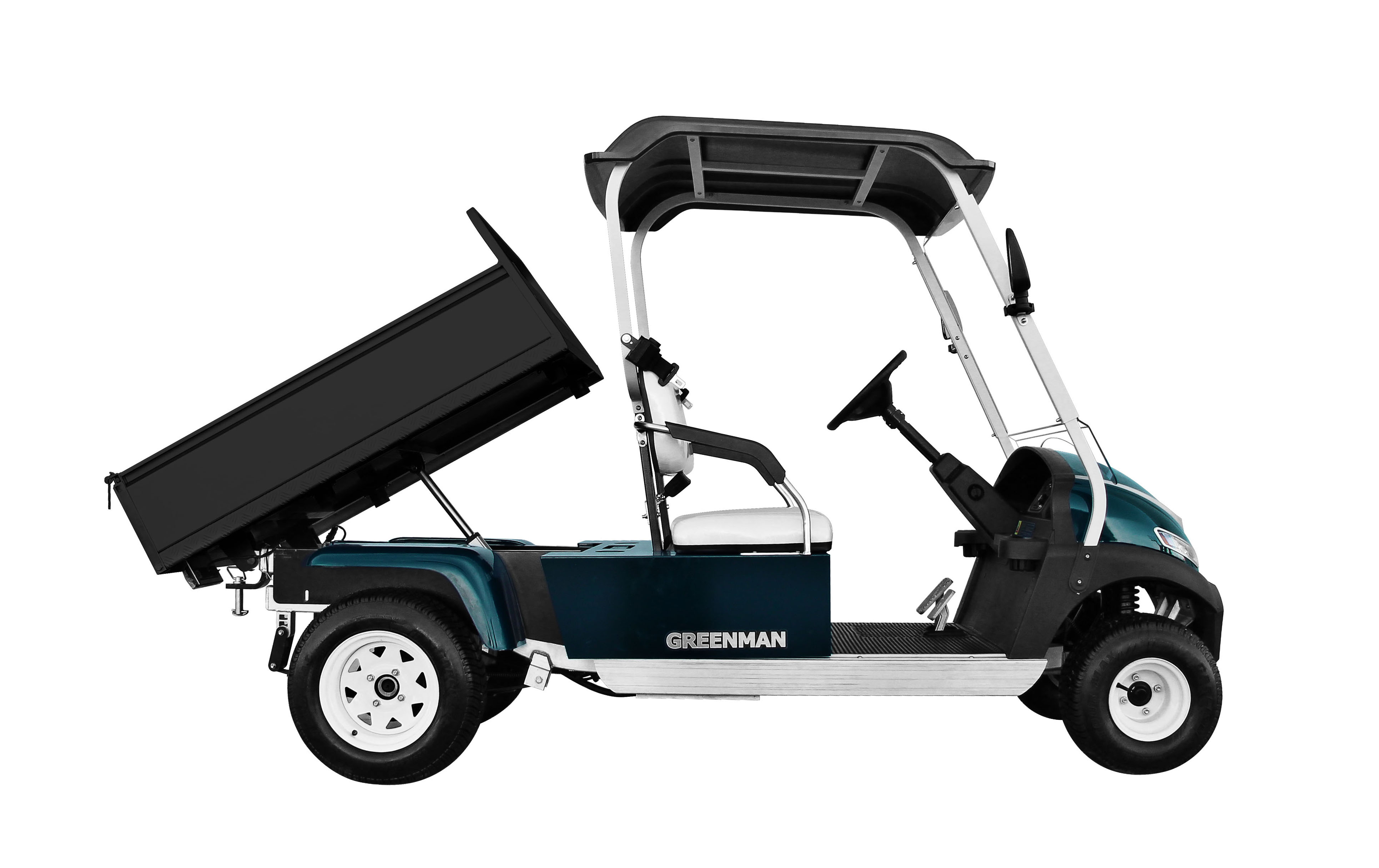
4.Heavy-Duty Electric Cargo Utility Trike (Resort Maintenance & Logistics)

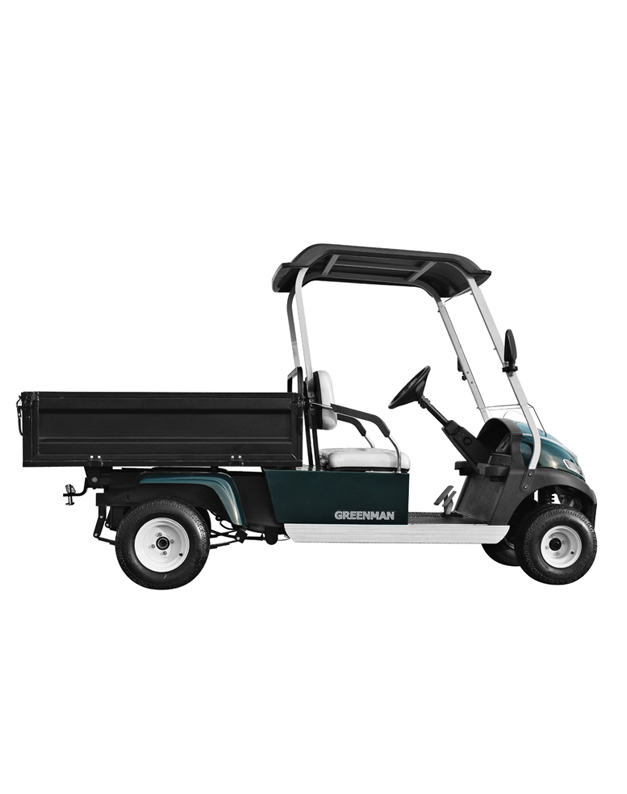
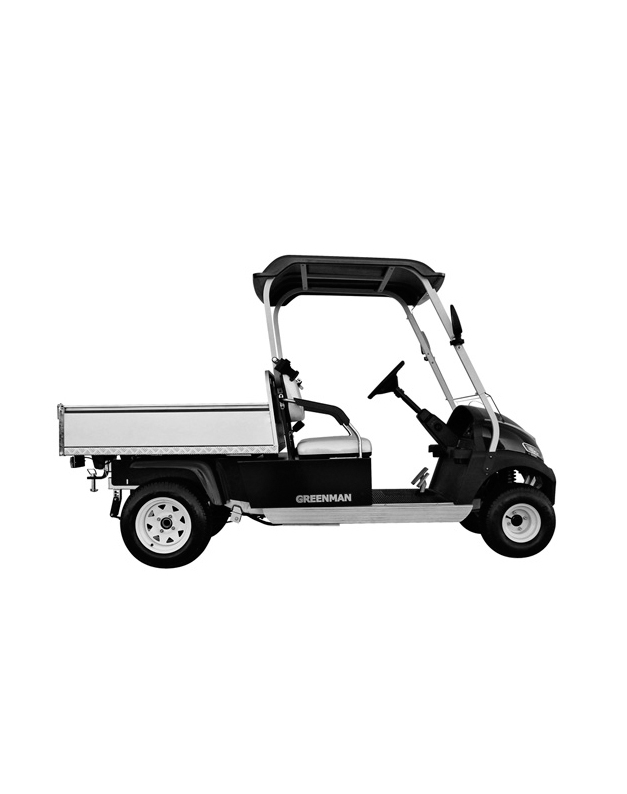
Workhorse back-of-house utility vehicle for resort engineering, housekeeping and landscape teams. Reinforced steel cargo bed with 400–600kg load capacity, extended-range 105km LFP battery, wide off-road tires for garden dirt trails, and fully waterproof control system. Optional tipping cargo box simplifies waste collection, landscaping soil and resort supply transport.

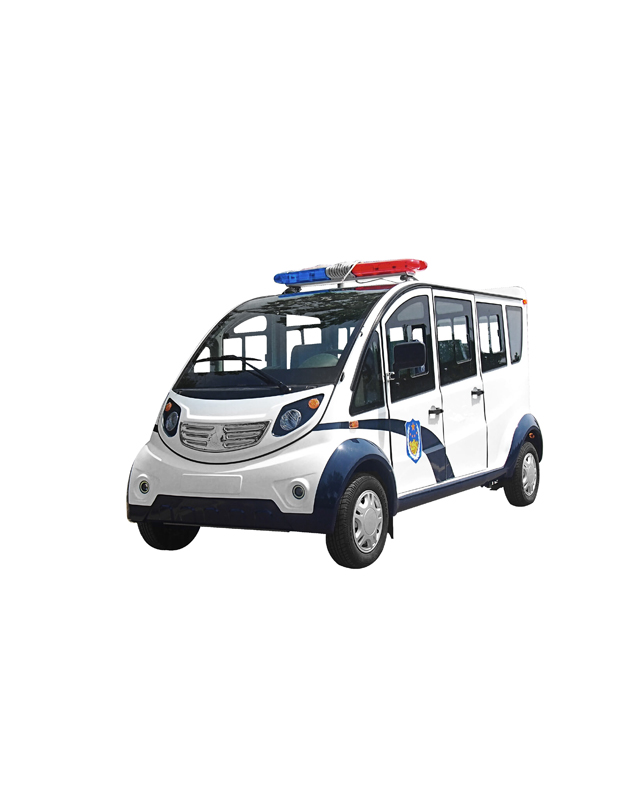
5.L4 Autonomous Driverless Electric Shuttle (Luxury Smart Eco-Resorts)

AI-powered dual-mode autonomous/manual shuttle targeting high-end sustainable resorts in Singapore, Malaysian highland resorts and Philippine island luxury estates. 360° LiDAR + radar sensor suite for all-weather obstacle avoidance, IoT fleet real-time monitoring, automatic docking charging and unmanned overnight operation. Tropical corrosion protection and waterproof sensor housings eliminate frequent maintenance in humid coastal environments.

 
5-Step Electric Utility Vehicle Selection Checklist for Southeast Asian Resorts

1. Map core operation scenarios to match vehicle category

Separate front-of-house guest transport and back-of-house maintenance logistics demands. Guest transit prioritizes comfort and aesthetics; logistics fleets prioritize load capacity and ruggedness. Mixing passenger and cargo models will raise long-term fleet costs.

2. Assess local tropical environmental risks for mandatory upgrades

Coastal resorts require full anti-salt corrosion frames and sealed electronics; mountain resorts need high-torque slope climbing motors; monsoon zone sites must select IP67 waterproof models with full rain covers. Heat above 40°C demands liquid-cooled lithium batteries to avoid performance drop.

3. Calculate daily mileage and peak passenger volume to lock battery specs

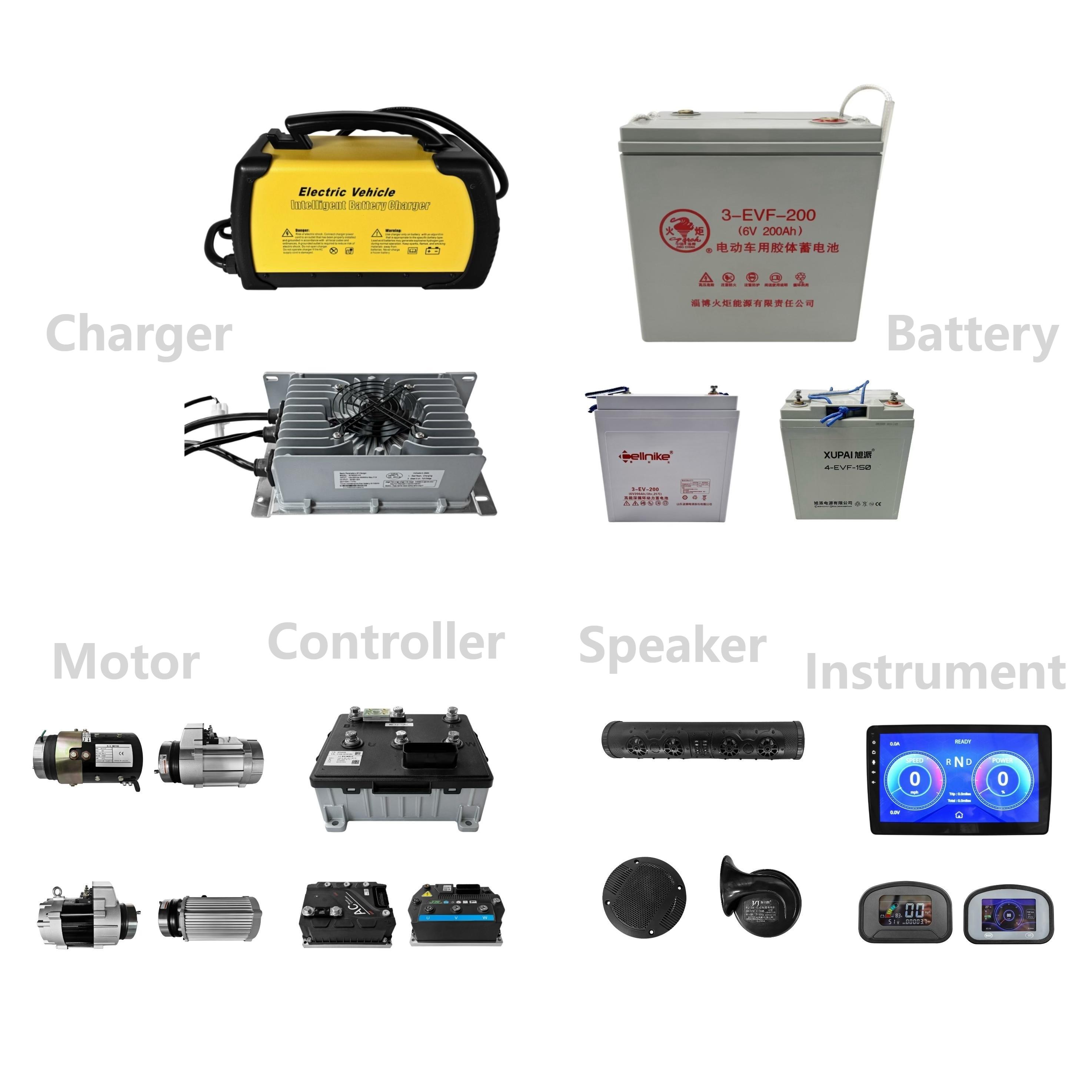
High-traffic beach resorts operating 16+ hours daily need long-range LFP lithium batteries; low-volume boutique resorts can opt for cost-effective lead-acid power packs. Confirm local ASEAN grid voltage compatibility for charging systems.

4. Confirm custom branding and weather protection configurations

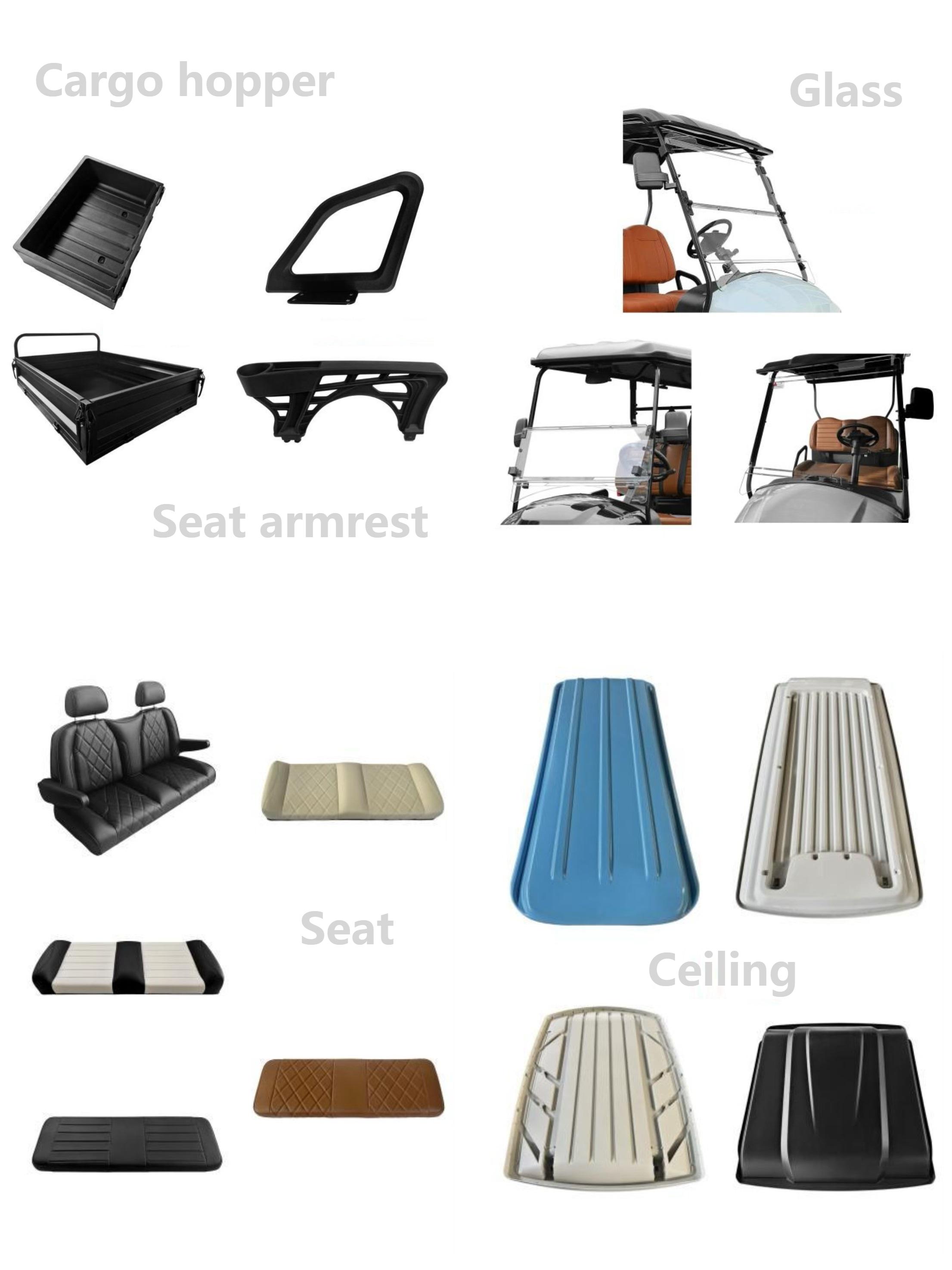
All vehicle bodies support up to 8-color resort logo printing, with reserved zones for safety warning labels in Thai, Indonesian, English, Vietnamese and Filipino. Optional add-ons: sun/rain canopies, windshields, anti-slip flooring, luggage racks and sightseeing audio systems.

5. Verify MOQ, production lead time and tropical warranty terms before bulk order

Standard ready-stock EV models ship within 2 weeks; fully customized tropical-spec fleets require 60–80 days production lead time. Clarify battery, motor and control unit warranty length tailored to high-humidity ASEAN operating conditions.

 
Key Tropical Engineering Standards Mandatory for Southeast Asian Resort EVs

1、IP65–IP67 Full Waterproof Electronic Protection

All motors, controllers, sensors and charging ports must reach minimum IP65 rating; tuk-tuks, cargo trikes and autonomous shuttles upgrade to IP67 to withstand daily heavy rain and coastal seawater mist exposure. Non-sealed standard vehicles suffer 3x higher breakdown rates in ASEAN monsoon seasons.

2、Heat-Tolerant Lithium Iron Phosphate (LFP) Battery System

Liquid-cooled battery packs stabilize discharge efficiency above 90% under 40–50°C tropical temperatures, eliminating thermal runaway risks common with ordinary lithium batteries in unventilated resort parking lots.

3、Anti-Corrosion Frame & Mold-Resistant Interior Materials

Aluminum alloy or galvanized steel frames replace ordinary carbon steel to resist salt air corrosion in coastal resorts; seat fabrics use mildew-proof breathable material suited to 80%+ annual average humidity across Southeast Asia.

4、Enhanced Slope-Climbing Powertrain for Mountain & Hill Resorts

All shuttle and golf cart models upgrade high-torque brushless motors to handle 15–30% gradient slopes, a critical requirement for mountain eco-resorts in Northern Thailand, Vietnam Sapa and Malaysian Genting Highlands.

 
Frequently Asked Questions

1、Can standard non-tropical EVs operate normally in Southeast Asian coastal resorts?

Not recommended. Ordinary vehicles without anti-salt corrosion frames and IP67 sealed electronics will develop motor rust, battery overheating and circuit short-circuit failures within 3–6 months under high humidity and salt air, leading to frequent maintenance and shortened service life.

2、Do autonomous driverless shuttles need special approval for resort use in ASEAN?

For closed private resort grounds, L4 autonomous vehicles do not require public road certification; we provide full technical files, safety test reports and risk assessment documents to support local hotel authority registration in Thailand, Indonesia and Malaysia.

3、What weather protection and functional add-ons are available for resort EVs?

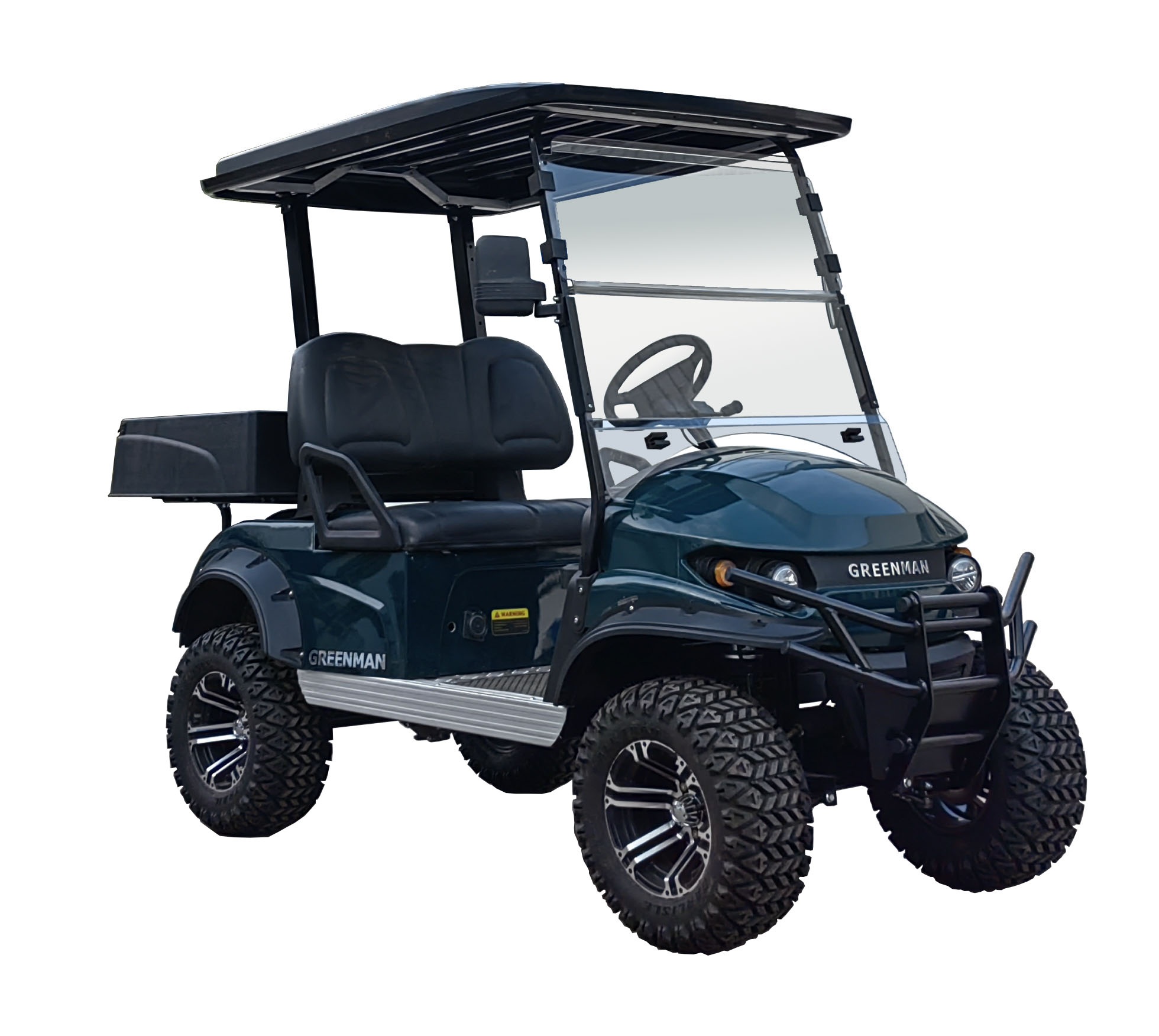
All models support detachable full rain canopies, transparent windshields, anti-slip rubber flooring, rear luggage racks, multi-language sightseeing audio systems, off-road reinforced tires and solar auxiliary charging panels for remote eco-resorts


Contact us

Greenman Machinery(Group Holding)Company

Add:No.8,Baiying Street,Shunyi District,Beijing City,China. Tel:86-10-60440479

Greenman Electric Vehicles CO.,LTD

Add:No.3,Jinjiang Street,Huaiyin District,Huaian City, jiangsu Province,China.

Email


Tina:tina@greenman.com.cn

Tel:+86 13910663047

Allen:allen@greenman.com.cn

Tel:+86 15002722506

Annie:annie@greenman.com.cn

Tel:+86 13693558322

Lisa:lisa@greenman.com.cn

Tel:+86 13681081517

Find a Dealer

Find a dealer

Contacts:Tina
Phone:+86 13910663047
Email:tina@greenman.com.cn
Address:No.8,Baiying Street,Shunyi District,Beijing City,China.

Greenman Machinery(Group Holding)Company

Add:No.8,Baiying Street,Shunyi District,Beijing City,China. Tel:86-10-60440479

Greenman Electric Vehicles CO.,LTD

Add:No.3,Jinjiang Street,Huaiyin District,Huaian City, jiangsu Province,China.

Email


Tina:tina@greenman.com.cn

Tel:+86 13910663047

Allen:allen@greenman.com.cn

Tel:+86 15002722506

Annie:annie@greenman.com.cn

Tel:+86 13693558322

Lisa:lisa@greenman.com.cn

Tel:+86 13681081517

Find a Dealer

Greenman Electric Vehicles CO.,LT©2016 Copyright All Rights Reserved
Tel:+86 13910663047

WhatsApp: +86 13910663047